Background
The education system in Kenya has undergone a significant transition from a structure similar to that of the United States to a competency-based curriculum (CBC). The Kenyan government introduced the CBC in January 2014, adopting the 2-6-3-3-3 system designed to enhanced skill-based learning and practical competency.
Under this system, education is divided into three major levels:
- Early years’ education: Pre-primary 1 and 2 for two years and lower primary for three years (Grade 1, Grade 2, and Grade 3).
- Middle school education: Upper primary school for three years (Grade 4, Grade 5, and Grade 6) followed by Lower Secondary/Junior Secondary School for three years (JSS 1, JSS 2, and JSS 3).
- Senior School and Tertiary Education: Senior Secondary School for three years (SSS 1, SSS 2, and SSS 3) and Tertiary Education and Training for three to five years.
Comparison to the U.S. Education System
Government Support and Expansion
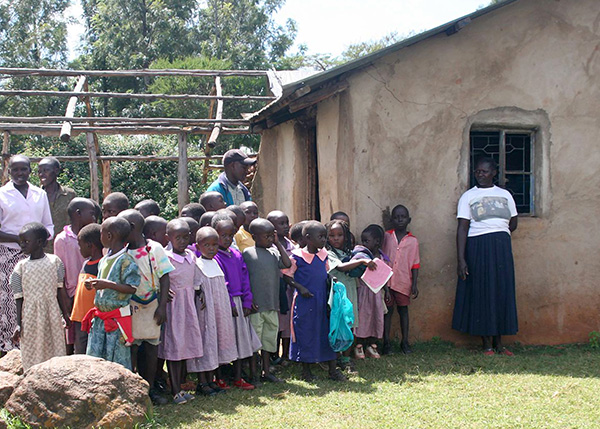
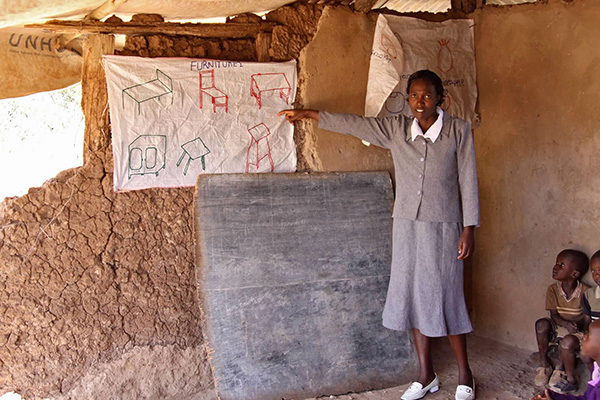
For years, the Kenyan government has funded primary education, ensuring access for all children. Since the inception of The William and Nancy Budd Scholarship Fund, the number of primary schools across the country has increased, allowing more students, particularly those in rural areas, access to education.
Primary and Middle School Education
Students in primary school study a diverse curriculum that includes:
Core subjects: English, Kiswahili, Mathematics, Science and Agriculture, Social Studies
Enrichment subjects: Arts, Life Skills, and Physical Education
To Advance to secondary school, students must pass the Kenya Certificate of Primary Education (KCPE) examination. Higher KCPE scores allow students to gain admission to higher-quality secondary schools.
Secondary Education
After completing primary school, students transition to secondary school, which consists of three types:
- Public Schools: Fully funded by the government and categorized into three levels
- National schools: Elite institutions admitting top-performing students.
- Provincial schools: Managed at the provincial level, catering to a broader range of students.
- District Schools: Serving local communities with more limited resources
- Harambee Schools: Partially funded by the government and emphasizing self-reliance, preparing students for careers in agriculture and business.
- Private Schools: Independently funded institutions offering alternative curricula and specialized education.
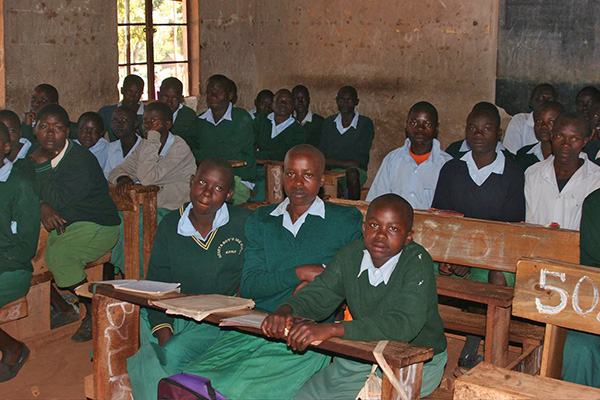
Many secondary school students board at their schools due to long travel distances. The curriculum includes a variety of subjects, including:
- Core Subjects: English, Kiswahili, Biology, Chemistry, Physics, History, Geography, and Religious Studies
- Elective Subjects: Fine and Practical Arts, Computer Studies, Agriculture, Business Studies, Music, and additional languages (French, German, Arabic, or Sign Language)
Examinations and Post-Secondary Opportunities
Students take the Kenya Certificate of Secondary Education (KCSE) exam at the end of secondary school, which assesses competency in seven subjects. If students take more than seven subjects, only the top seven scores contribute to their final grade. This examination, similar to standardized U.S. tests, determines higher education eligibility.
Students who perform well in the KCSE can pursue higher education at universities or technical institutions.
The Role of the William and Nancy Budd Scholarship Fund
The William and Nancy Budd Scholarship Fund is crucial in supporting students by covering school fees beginning in their second year of secondary school. Additionally, the scholarship provides funding for essential items such as school supplies and uniforms. If scholarship recipients achieve high KCSE scores, the fund may sponsor their post-secondary education, opening doors to further academic and career opportunities.
Through these efforts, the scholarship fund continues to empower bright and underprivileged students, ensuring they receive the education and resources necessary to succeed in Kenya’s evolving academic landscape.